Let's name what happened
Trust isn't just emotional. It lives in your body. When someone betrays you, especially sexually, your nervous system remembers. Penetrative toys can feel too much like surrender, too vulnerable, too "open" in a way that triggers the memory of being let down. A clitoral vibrator works differently. It's focused, external, and gives you control in a way that feels radically safer when you're rebuilding.
I've worked with dozens of clients through this transition, and the pattern is consistent. They come back to pleasure not through the act of being "filled" but through the act of choosing what touches them, where, and for how long.
Why penetrative toys feel different after a breach
When trust fractures, penetration becomes psychologically loaded. It requires a kind of openness that feels risky when you're still processing betrayal. Your body doesn't distinguish between a toy and a person here. Penetration signals surrender, receptiveness, the willingness to be entered. That's a big ask when you're not sure you're safe.
Clitoral vibrators sidestep this entirely. They're external. They're about you, not about being received into. The stimulation is located in a part of your body that's uniquely yours. No one else lives there. No one else has access to it unless you give explicit permission, moment by moment.
This distinction matters more than you might think. In clinical work, we call this "agency in sensation." When you're directing the stimulation (choosing the pattern, the intensity, the duration), your brain registers this as safety. You're not being done to. You're choosing.
The neuroscience of external stimulation during recovery
Your clitoris has roughly 8,000 nerve endings concentrated in a tiny area. A clitoral vibrator like the Lem works by stimulating those nerves with suction and vibration patterns, which creates a focused, intense sensation that bypasses the need for internal vulnerability.
When you use a clitoral vibrator, the sensory pathway lights up your brain differently than penetrative stimulation does. There's no unconscious association with vulnerability or invasion. Instead, your nervous system registers: "I chose this. I control this. This is for me."
That's not a small distinction. It's the difference between pleasure that requires you to trust and pleasure that doesn't. After infidelity, you need the second one.
Penetrative toys require you to engage your body in a receptive posture. Clitoral vibrators let you stay in what I call the "sovereign" position. Your pleasure, your pace, your rules.
Why the Lem and other clitoral suction vibrators work better for this
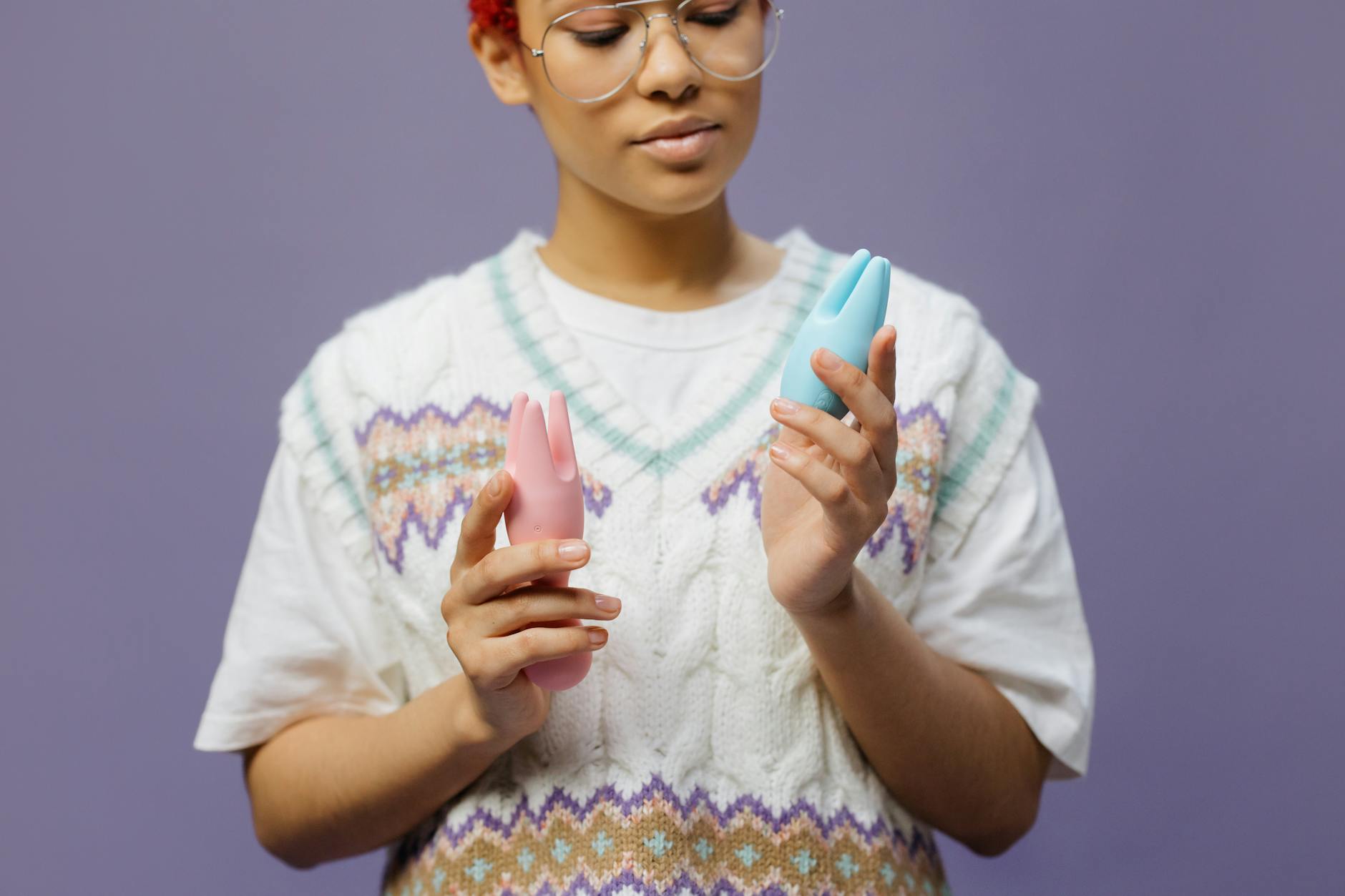
Clitoral suction toys operate through a different mechanism than traditional vibrators. Instead of direct vibration against tissue, they create a pulsing suction pattern that feels more like oral sex than like invasion. This matters psychologically.
Oral sex, in the experience of most people, feels less penetrative and more about receiving attention. A clitoral vibrator mimics that sensation without requiring another person. You get the sensation of being pleasured without the vulnerability of being entered.
The Lem and similar lemon vibrators work on multiple patterns, which means you can start gentle and build intensity at your own pace. This gradual approach allows your nervous system to stay in a regulated state rather than triggering fight-or-flight responses.
Lowkey, this is why so many of my clients choose clitoral vibrators as their first step back to pleasure after infidelity. It feels like healing rather than risk.
How control matters more than sensation
After betrayal, sensation is honestly secondary. Control is primary. Here's what I mean: when you're holding a clitoral vibrator, you're making real-time choices about intensity, pattern, and duration. If something feels wrong, you stop. If something feels good, you lean in. If you need to take a break, you take it.
This is radically different from penetrative experiences, where once you're in a certain position or pattern, there's inertia. It's harder to pause or change course. With external stimulation, every moment is a choice. That's the safety you need when trust is rebuilding.
Many clients tell me that this sense of control is where pleasure actually returns. Not from the intensity of sensation, but from the knowledge that they're calling the shots. "I can stop this whenever I want. I don't have to do anything I don't want to do. This is mine."
That's the permission you need to feel again.
Timing and patience in the recovery timeline
Rebulding trust sexually isn't linear. You might feel ready and then, mid-experience, feel a flood of betrayal-related emotion. That's normal. That's your nervous system doing its job.
Clitoral vibrators handle this better than penetrative toys because you can pause instantly without disruption. If you need to stop, you stop. If you need to shift intensity, you shift. There's no negotiation with a partner, no explanation required. Just you and your own healing.
I usually recommend starting with solo use for at least a few weeks before introducing any toys into partnered sex. This gives your nervous system time to learn that pleasure is safe again without the added complexity of another person's presence.
Once you've rebuilt that baseline of pleasure on your own, introducing a partner can feel less loaded. You're not asking your body to trust someone else with your vulnerability. You're asking it to share something you've already reclaimed.
When to consider partnered use
If you have a partner and you're both invested in rebuilding, a clitoral vibrator can be a bridge. Many couples find that external stimulation during partnered sex allows the person with a vulva to stay focused on their own sensation without the pressure of internal vulnerability.
The partner can be present, can touch other parts of the body, can engage emotionally, but the clitoral vibrator stays in the person's control. This preserves agency while allowing connection.
That said, read the existing posts on how to use a lemon vibrator with a partner carefully. If communication is already fragile, introducing any toy can become another place where trust breaks. Go slowly. Check in constantly. If something doesn't feel right, pause.
What to look for in a clitoral vibrator for this journey
Not all lemon sexual toys are created equal for trauma recovery. Look for a few specific features.
First, a vibrator with multiple patterns that progress gradually from low to high intensity. This lets your nervous system ease in rather than jolt.
Second, something with intuitive controls. You shouldn't have to think hard about how to adjust patterns or intensity. The easier it is to use, the more mental space you have for sensation and safety.
Third, something waterproof and washable. This isn't just hygiene. It's about agency. You need to know it's clean, and you need to be able to care for it yourself without asking for help.
The Lem checks all of these boxes. It has seven different suction-and-vibration patterns, ergonomic controls, and a simple charging system. More importantly, it's designed for external pleasure without any invasive components. It's a tool for pleasure that's entirely within your control.
FAQ: Returning to pleasure after trust breaks
How long does it usually take to feel pleasure again after infidelity?
There's no timeline. For some people, weeks. For others, months or years. The healing isn't linear. You might feel pleasure one day and then triggers spike the next. This is normal. What matters is that you're moving in the direction of pleasure at your own pace, not someone else's.
Is it normal to feel guilt using a toy after infidelity?
Yes. Some people internalize infidelity as a sign that they weren't enough, sexually. Using a toy can trigger that belief. Here's the reframe: a toy isn't a replacement. It's a tool for your own healing. You deserve pleasure independent of anyone else's validation.
Should I tell my partner I'm using a clitoral vibrator?
That depends on your relationship and your agreement. If you're rebuilding trust, transparency usually helps. But this is your body and your healing. You don't owe anyone access to your solo pleasure practices unless you choose to share them.
Can using a vibrator solo help repair couple's sex?
It can, but only if you're both willing to do the emotional work. A toy is a tool, not a fix. If the breach of trust is still unresolved, no amount of pleasure will rebuild intimacy. Solo pleasure can help you remember that you deserve to feel good. That's the foundation for rebuilding partnered sex.
What if I still can't feel pleasure even with a vibrator?
That might signal that you need support beyond toys. A therapist who specializes in sexual trauma or betrayal can help you understand where the numbness is coming from. Sometimes our bodies need to process grief before they can return to sensation. That's okay. You're not broken.
Is a clitoral vibrator a replacement for talking to my partner about what happened?
Absolutely not. A tool for your own pleasure is separate from the conversation you need to have about trust. Use the vibrator for you. Use words for your relationship. Both matter.
The path forward
Rebulding pleasure after infidelity isn't about finding the right toy. It's about reclaiming your body as a source of joy that belongs entirely to you. A clitoral vibrator like the Lem can be part of that reclamation because it's designed around your agency, your pace, and your control.
Start solo. Be patient with yourself. Notice what feels safe and what doesn't. Your nervous system will guide you. If you find yourself stuck, reach out to a therapist or relationship specialist. You don't have to do this alone, even though the pleasure itself is uniquely yours.
Your body knows how to feel good again. Sometimes it just needs permission and the right tools to remember.