Let's talk about the medication elephant in the room
Your medication isn't broken. You're not broken either. But something shifted, and you're trying to figure out whether it's your relationship, your stress levels, or the little pill you take every morning. Spoiler: it might be the pill.
Antidepressants, birth control, blood pressure medications, and antihistamines all have a documented side effect that nobody warns you about until you're already noticing it yourself. They can flatten arousal, delay orgasm, or make sensation feel muted and distant. This isn't a myth or a psychological workaround. It's neurochemistry. And while you might not be able to change your medication without talking to your doctor, you absolutely can change how you work with your body right now.
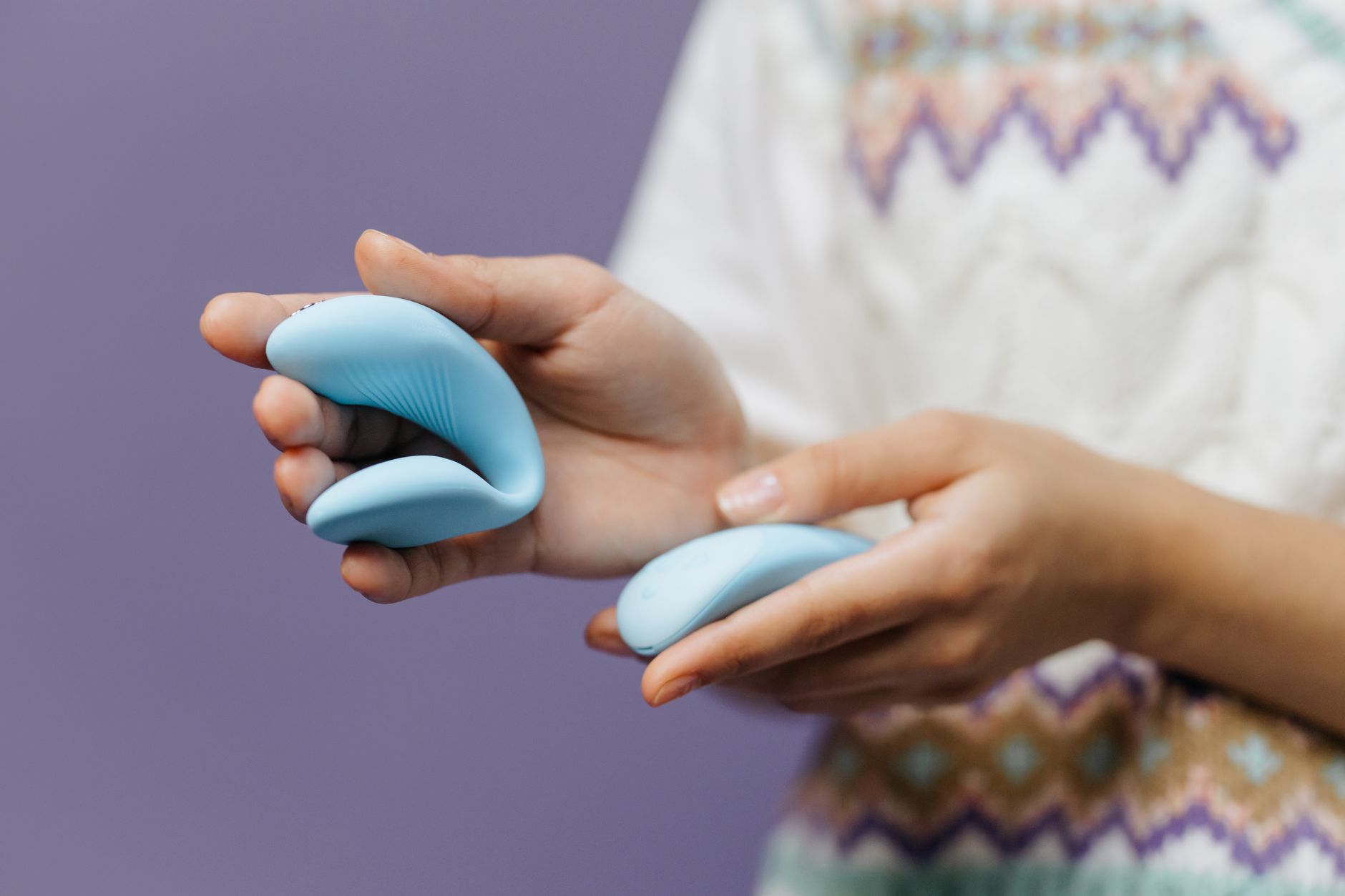
That's where understanding how to use tools like a lemon clitoral vibrator becomes genuinely transformative.
Which medications most commonly affect sexual response
Here's the thing: almost every medication that affects your brain chemistry has a potential side effect on arousal or sensation. But some are notorious.
SSRIs and SNRIs (selective serotonin reuptake inhibitors like sertraline, paroxetine, venlafaxine) are the biggest culprits. Between 40 and 60 percent of people taking them report some change in sexual function. Arousal takes longer. Orgasm feels distant. Sensation can feel muffled.
Hormonal birth control affects arousal differently than SSRIs, but it's real. The hormones suppress testosterone, which is a key neurotransmitter for desire in everyone. You might not want sex as much, or when you do want it, your body takes longer to respond.
Blood pressure medications (especially beta-blockers) can interfere with the vascular response needed for genital engorgement. If you're on a beta-blocker, your clitoris might not swell the way it used to, which changes sensation.
Antihistamines (even over-the-counter ones) can dry out mucous membranes and dull nerve sensitivity. Not a primary sexual side effect, but it adds to the pile.
The key insight: these aren't all working the same way. SSRIs are blunting neurological response. Birth control is suppressing hormone-driven desire. Blood pressure meds are affecting blood flow. Understanding which one you're dealing with helps you choose the right approach.
Why a lemon vibrator actually works when medications dull sensation
I'm going to give you the short version of the neuroscience because it matters.
When you're taking an SSRI or other medication that affects dopamine or norepinephrine, your brain's reward pathways work differently. Sensation still reaches your nerves. Your clitoris still has thousands of nerve endings. But the signal getting to your brain gets quieter.
Here's where suction-based stimulation like a lemon clitoral vibrator comes in. Unlike traditional vibration, which relies on frequency, suction creates a seal and applies consistent, broadbased pressure that stimulates a much larger area of nerve tissue at once. This means the signal reaching your brain is louder, clearer, and harder to ignore even when your medication is muting other inputs.
In practical terms: when regular touch feels like pressing on a numb spot, suction-based sensation often cuts through that numbness.
People using SSRIs often report that they could never orgasm with a traditional vibrator while on their medication, but a lemon sucker or similar suction device restored the capability. This isn't because the device is magic. It's because the intensity and type of stimulation is loud enough to be heard by a nervous system that's running on lower volume.
The practical setup when medication changes your timeline
If your medication is affecting arousal, your body probably needs more time to warm up. This isn't a deficiency. It's just how your nervous system is working right now.
Give yourself 20 to 35 minutes instead of 10. Not all of that is foreplay with a partner or with a toy. Some of it is genuine transition time. A shower. Reading something that turns you on. Fantasizing. Breathing. Your brain needs runway.
Start external before going direct. If you're using a lemon vibrator, begin with it on the vulva outside the clitoral hood, not directly on the clitoris. The indirect approach builds sensation gradually and is often more effective when medication is flattening your response.
Begin at low or medium intensity. This contradicts what you might think. When sensation is muted, the instinct is to go harder. But with medication-related numbness, gradually building intensity actually works better than starting at high and hoping. Your nervous system needs the practice of recognizing the signal.
Combine it with mental focus. This matters more when medication is in the picture. Distraction kills whatever arousal you've built. Put your phone away. Dim the lights. This isn't spirituality. It's biology. Your brain has less bandwidth for pleasure right now, so you need to protect what little arousal you have.
When to talk to your prescriber about adjustments
Here's the honest part: sometimes a lemon vibrator is genuinely enough to restore sensation and pleasure. Sometimes it's not, and you need to talk to your doctor.
If you're on an SSRI and sexual function has completely flatlined, ask your prescriber about timing. Some people find that taking their medication at night instead of in the morning helps. Others find that adding bupropion (which affects dopamine differently) helps restore arousal without stopping the SSRI.
With birth control, there are genuinely different options. If hormonal birth control is killing your desire, your doctor can discuss non-hormonal IUDs, barrier methods, or different formulations. It's worth having this conversation.
With blood pressure meds, sometimes switching to a different class of medication (like an ACE inhibitor instead of a beta-blocker) changes everything.
The key: don't stay silent. Your sexual function matters, and most good prescribers will work with you on this.
How to use a lemon clitoral vibrator specifically for medication-related numbness
The technique is slightly different than it would be without medication involved.
The warm-up seal. Place the lemon vibrator gently against the vulva (not directly on the clitoris yet) with the suction cup off or on the lowest setting. Leave it there for 30 seconds to a minute. This wakes up the nerves and creates a light seal.
The building pattern. Slowly increase intensity over 3 to 5 minutes. Don't jump to high. Your nervous system needs time to recognize the input.
The sustained pressure. Once you find an intensity level that feels like something, hold steady. Medication-related arousal often plateaus instead of building in waves. Consistency matters more than variation.
The patience phase. Orgasm might take 15 to 25 minutes when you're on medication that affects arousal. This isn't a failure. This is your baseline right now. Working against it creates frustration. Working with it creates pleasure.
The relationship conversation you might need to have
If you have a partner, they need to understand that your body isn't rejecting them or your relationship. Your medication is changing your neurochemistry.
This matters because partners often internalize medication-related sexual changes as rejection or loss of attraction. They're not. They're a side effect you're both managing together.
If you're using a lemon vibrator, frame it clearly: this is a tool that helps me reconnect with my body while I'm on medication that's affecting how I feel sensation. This isn't a replacement for you. It's an enhancement that helps me be present.
You might find that using a lemon vibrator together, with your partner involved, actually rebuilds intimacy faster than trying to force the old dynamics to work. Different isn't worse. It's just different.
When sensation starts returning
If your prescriber adjusts your medication, or if your body adapts over time, you might notice that sensation comes back gradually. You might suddenly realize that direct clitoral contact feels good again, or that arousal is building the way it used to.
This doesn't mean you stop using your lemon vibrator. It means you're using it in a body that's responding differently now.
Many people find that once sensation returns, they actually prefer suction-based stimulation because they've discovered it works better for their body than what they used before. You don't have to go back to your old patterns just because sensation is back.
Your pleasure is allowed to evolve with your body and your circumstances. A lemon clitoral vibrator isn't a band-aid for medication side effects. It's a tool that lets you have pleasure and take care of your mental health at the same time. Both matter. Neither has to be sacrificed for the other.
FAQs
How long does it take to feel sensation again if I switch medications?
Depends on the medication switch. SSRIs usually take 2 to 4 weeks for sexual function to normalize after you've changed timing or added something like bupropion. Birth control changes can take 1 to 3 months for hormones to fully rebalance. Blood pressure med switches might show improvement within days. Talk to your prescriber about what timeline to expect.
Can I use a lemon vibrator while on SSRIs and still orgasm?
Absolutely. Many people do. Suction-based stimulation is often more effective than traditional vibration for people on SSRIs because it creates a stronger, clearer signal to the nervous system. You might need more time and patience, but orgasm is still possible.
If my medication is causing numbness, will a lemon clitoral vibrator fix it permanently?
No tool permanently fixes a medication side effect. What a lemon vibrator does is help you experience pleasure and sensation while you're dealing with the side effect. If you want permanent change, you'll need to talk to your prescriber about adjusting your medication. But in the meantime, a vibrator lets you have a functional sex life.
Is it normal to need longer arousal time when on antidepressants?
Completely normal. 30 to 40 percent of people on SSRIs report delayed arousal or delayed orgasm. It's a documented side effect, not a sign that something is wrong with you or your relationship. Giving your body more time and using a tool like a lemon sucker helps bridge that gap.
Can I talk to my doctor about these side effects without them judging me?
You can, and you should. Sexual function is part of overall health. A good prescriber won't judge you for mentioning it. If they do, that's a sign you might need a different prescriber. Many doctors ask about sexual side effects as a standard part of follow-up care.
What if the problem is emotional, not the medication?
It could be both. Medication can create sexual side effects that then create emotional distance or resentment. Emotional stress can amplify medication-related numbness. If you've addressed the medication piece and sensation isn't returning, talking to a couples therapist or sex therapist can help you figure out what else is in play. Sometimes it takes both approaches.
You deserve pleasure while taking care of your mental health
Taking medication that helps your depression, anxiety, or blood pressure is the right choice. You're doing something important for your wellbeing. And you don't have to sacrifice sexual pleasure to do it.
Understanding how your medication works, having honest conversations with your prescriber, and using tools like a lemon vibrator gives you actual options instead of just accepting flatness as the cost of treatment. Your mental health and your sexual health both matter. Neither one has to lose.
If you're struggling to feel sensation or arousal while on medication, start with a conversation with your doctor about timing or alternatives. And in the meantime, explore what works for your body right now. You might find that a lemon clitoral vibrator doesn't just help you work around a side effect. It helps you discover a new way of experiencing pleasure that you actually prefer.
For more on rebuilding sensation after specific challenges, explore how <a href="/blog/how-lemon-vibrators-improve-sensation-when-antidepressants-affect-arousal">lemon vibrators improve sensation when antidepressants affect arousal</a> or read about <a href="/blog/how-to-use-lemon-vibrator-for-better-orgasms-after-stopping-birth-control">using a lemon vibrator for better orgasms after stopping birth control</a>.