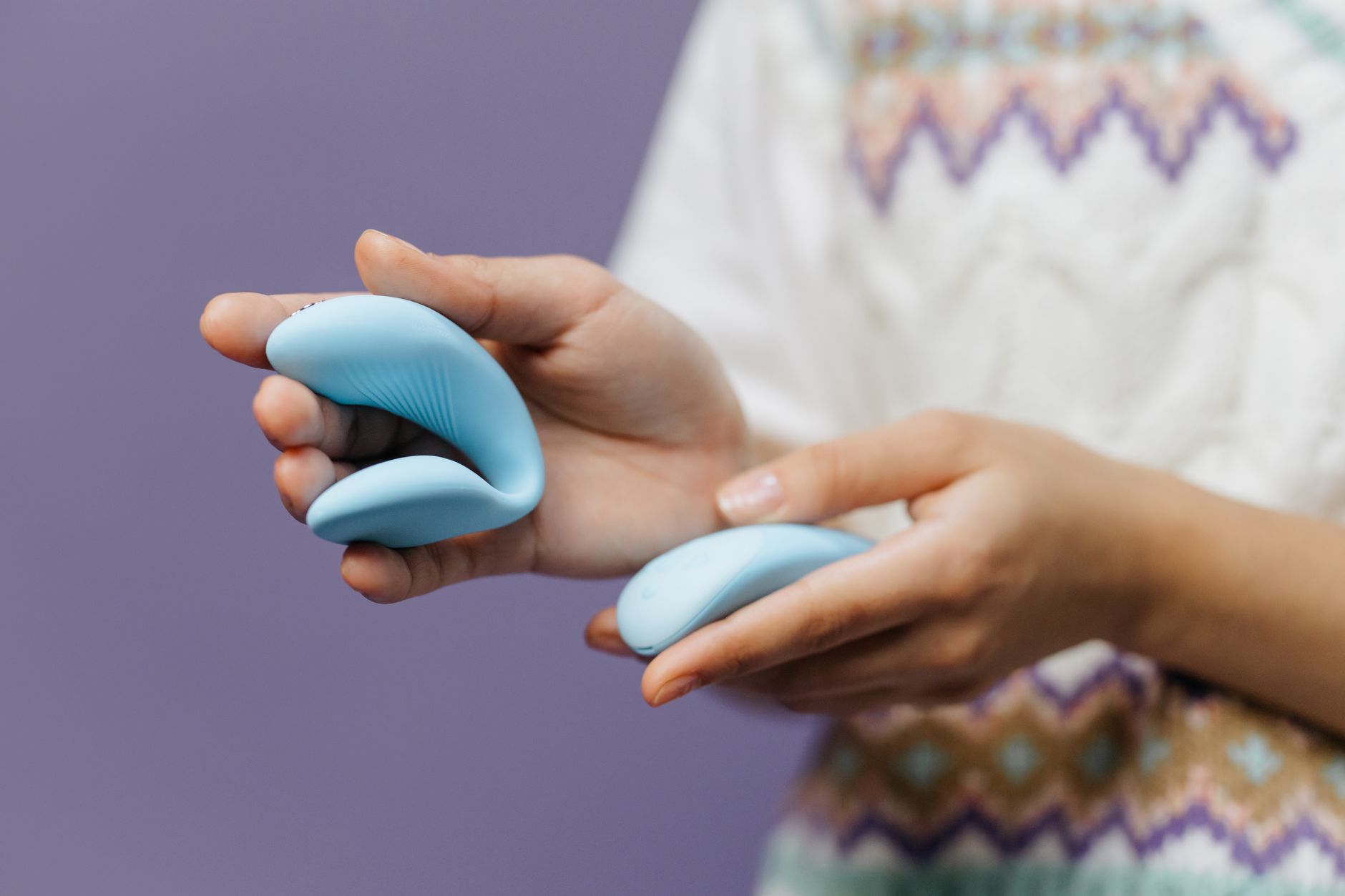
Let's talk about slow healing
Sensation doesn't come back on a schedule. Whether you're recovering from surgery, medication changes, illness, or just extended time away from your body, the timeline for pleasure to return is different for everyone. And honestly? The pressure to feel "normal" again fast enough often makes the recovery slower, not faster.
Here's what I see working with couples navigating this: the people who rebuild sensation most successfully aren't rushing it. They're using tools like a lemon vibrator to reconnect with their body on their own terms, without the performance anxiety that partner sex often brings.
Why sensation recovery takes longer than you think
Your pleasure pathways aren't broken. They're just quiet. Think of it like a phone that's been on low power mode for months. Turning it back on doesn't instantly restore all the features. Your nervous system needs time to re-recognize arousal signals, your tissues need circulation and oxygenation, and your brain needs permission to care about pleasure again without guilt.
Three things usually slow this down:
First, you're waiting for a threshold that doesn't exist. You expect sensation to jump from absent to normal in one session. When it doesn't, you assume something's wrong. It's not. Micro-sensations count. A small tingle, a moment of warmth, a second of genuine interest counts as progress.
Second, you're testing yourself under pressure. You tell yourself, "This session will tell me if I'm healed." Now you're performing a diagnostic instead of exploring. Your nervous system knows the difference, and it shuts down.
Third, you're comparing your recovery to someone else's timeline. Recovery isn't linear, and it's not the same between bodies, between hormonal profiles, between life contexts. Your friend bounced back in weeks. You might need months. Both are normal.
Why a lemon vibrator specifically helps slow recovery
The suction-based design of a lemon clitoral vibrator matters when you're rebuilding sensation, and here's why.
When sensation is dormant, direct pressure can feel overwhelming or numb. Traditional vibrators rely on buzz or rumble intensity. A lemon vibrator uses rhythmic suction, which stimulates the clitoris without the same mechanical shock. You get sensation that feels gentler but deeper, which means less overwhelm and more consistent feedback from your body.
The lemon sucker also lets you control pressure by simply adjusting how firmly you're positioned against your body. Partner sex doesn't give you that granular control. Solo exploration with a lemon vibrator does.
Second, the smaller form factor helps. Recovery often means you're uncomfortable with intensity. A smaller device feels less invasive, less intimidating. The Lem vibrator's shape lets you explore just the external clitoris without committing to anything internal, which removes a layer of decision-making when your nervous system is already taxed.
Third, the ritual of solo use separates pleasure from performance. No eyes watching. No one asking if this is helping. No need to time it around anyone else's arousal. That freedom alone changes your nervous system's response.
The step-by-step approach that actually works
If you're rebuilding sensation, this is what I recommend.
Phase 1: Reacquaintance (no expectation of arousal). Spend two to three sessions just touching your body outside of sexual context. Warm water in the shower, a clean hand, no vibration yet. You're not looking for anything specific. You're noticing temperature, texture, where your skin feels alive. If nothing feels alive, that's fine. You're training your brain to care about sensation again, not to perform arousal.
Phase 2: Introduction to the lemon vibrator (lowest settings). When you're ready, use the lemon clitoral vibrator on the lowest pattern setting for just two to three minutes. That's it. Not to achieve anything. Just to let your body hear that particular frequency. Stop before you get frustrated. Frustration resets your nervous system back to shutdown mode.
Phase 3: Slightly longer sessions (still lowest settings). Once that low setting stops feeling foreign, extend to five minutes. Still lowest setting. You're building tolerance, not chasing sensation. Some people notice tiny sensations by week two. Others take six weeks. Both are okay.
Phase 4: Frequency exploration (your choice of intensity). Once you've spent at least two weeks at low intensity, you can start experimenting with patterns and intensity if you want to. You don't have to. Some people rebuild most of their sensation at the lowest setting alone.
Phase 5: Building to longer sessions (as desired). Once you're genuinely enjoying a few minutes, you can expand to ten, fifteen, twenty minutes if that appeals to you. The goal isn't to reach a certain time or sensation level. The goal is to have reconnected with your body's capacity for pleasure.
The mental piece (which is 60% of recovery)
Here's where most people sabotage themselves without realizing it.
You'll feel good progress and then think, "If this much sensation returned in week three, I should be normal by week six." Then week six arrives, and you're not "normal," so you assume you've stalled. You haven't stalled. You've just hit the reality that recovery doesn't compound like math. It ebbs and flows.
Some days your body will feel more sensitive. Some days it won't. That's not failure. That's biology. Weather, stress, cycle changes, sleep, how much water you drank, whether you've been kind to yourself that week. All of it affects sensation.
Second, you'll feel like using a lemon vibrator means you're accepting your body is "broken." It's not. It means you're using a tool that's genuinely effective for slow recovery. That's strategic self-care, not defeat.
Third, if you have a partner, you'll worry that slow recovery means something about your relationship. Sometimes it does. Relationship stress can absolutely flatten sensation. But more often, slow recovery just means your nervous system needs space. That's separate from how much you love or desire your partner.
Honestly? The couples who weather recovery best are the ones who can sit with slowness together. Your partner doesn't need to solve this. They need to not expect a timeline. If your partner is getting impatient, that's a separate conversation worth having.
Common things that stall recovery
You're checking your progress too often. Every session shouldn't feel like a report card. Try going two weeks without testing yourself, then noticing what's shifted.
You're not giving yourself permission to enjoy small sensations. A flutter, a warmth, a moment of genuine interest. These aren't consolation prizes. They're proof your body's nervous system is waking up.
You're using intensity that feels aggressive to you right now. Trust what feels right. If pattern one on your lemon vibrator feels like enough, that's enough. You don't graduate up because you "should."
You're isolating about this. Recovery feels lonely because orgasm is private. But the shame around slow recovery isn't necessary. If you have a therapist, this is worth mentioning. If you don't, telling your partner "I need to rebuild sensation and it's taking longer than I expected, and I need you to not ask about it" is permission-giving that actually helps.
When to check in with a doctor
If you're six weeks into gentle exploration and there's complete numbness, or if you have pain during any of this, mention it to your GP or a pelvic health specialist. Some recovery takes longer because of something treatable. No shame in getting assessed.
Also, if medication is involved in your recovery journey, knowing which meds can affect sensation (antidepressants, some blood pressure meds, antihistamines) helps contextualize your timeline. Sometimes what feels like slow recovery is actually just a known side effect that stabilizes after three to six months.
The honest ending
Recovery is not a straight line. Using a lemon vibrator during that process isn't cheating or settling. It's meeting your body where it actually is, not where you think it should be. The people who rebuild sensation most completely are the ones patient enough to let it come back slowly. Your pleasure is worth that patience.
People also ask
How long does it take for sensation to return after a long break?
There's no universal timeline, but research on sexual recovery generally suggests gradual improvement over two to six months with consistent, pressure-free exploration. Some people feel meaningful shifts in weeks. Others take longer. Factors like age, hormonal status, stress levels, relationship satisfaction, and whether any medical conditions are involved all play a role. The key is not to race against an arbitrary deadline. Your body's timeline is the right one.
Can a lemon vibrator help if I feel completely numb?
Absolute numbness is worth discussing with a doctor first, because sometimes it points to a treatable issue like low hormone levels or a medication side effect. That said, if numbness is emotional (you've shut down your body to protect yourself), a lemon vibrator's gentle suction can help reawaken sensation in ways that feel less invasive than partner sex. Start with the absolute lowest setting and no performance expectations. Even if you feel nothing, you're training your nervous system to care again.
Should my partner be involved while I'm rebuilding sensation?
Not at first. Solo exploration with a lemon vibrator gives you space to rediscover your body without the pressure of a witness. Once you're feeling more sensation and more confident, partner involvement can happen. But rushing partner sex while you're still in early recovery usually makes recovery slower, not faster. Your partner benefits from you rebuilding first, then them being part of the next chapter.
What if using a vibrator makes me feel worse initially?
That's surprisingly common and usually means you're pushing intensity too hard. Drop to the absolute lowest setting and the shortest sessions. If even that feels overwhelming or dysphoric, take a break for a few days, then try again with zero expectations of feeling anything. Your nervous system might be protecting you from overstimulation. You're rewiring that, slowly. Also worth mentioning to a therapist if the feeling worse part persists, because sometimes there's emotional material underneath the physical shutdown.
Can I use a lemon clitoral vibrator while with a partner without them knowing?
Technically yes. Practically, your partner probably notices if you're rebuilding sensation during sex but not during partnered time. If you want to use a lemon vibrator solo for recovery, that's honest conversation worth having. "I'm rebuilding sensation and I need solo time to do it" is information that actually helps a partner understand what's happening. Hiding it usually leads to partners misinterpreting the slower sensation as disinterest in them.
If I'm recovering from surgery, is it safe to use a lemon vibrator?
It depends entirely on what surgery and where you are in healing. Pelvic surgery, vaginal surgery, and internal procedures need at least six to twelve weeks before any vibration. Always check with your surgeon first. External-only stimulation is generally safer earlier in recovery than anything internal, but your specific situation matters. When in doubt, ask your medical team. Hello Nancy Lemons Shop's care page also has safety information that might help you think through this.
Final thoughts
Slowness in recovery doesn't mean something's wrong with you. It means your body is healing intelligently, at the pace it needs. A lemon vibrator is just a tool that meets you where that healing actually is, not where you wish it would be.